
The early access phase for EA Sports FC 26 has been running smoothly since its staggered launch, offering Ultimate Edition owners an early taste of the revamped virtual pitch. As the global release widens, developer EA has deployed the first official title update – version 1.0.2 – which brings a sweeping set of adjustments informed by community playtests and feedback from the recent closed beta. The update prioritizes on‑pitch realism, particularly in AI decision‑making and shooting balance, while also resolving a number of technical quirks that crept into the launch build.
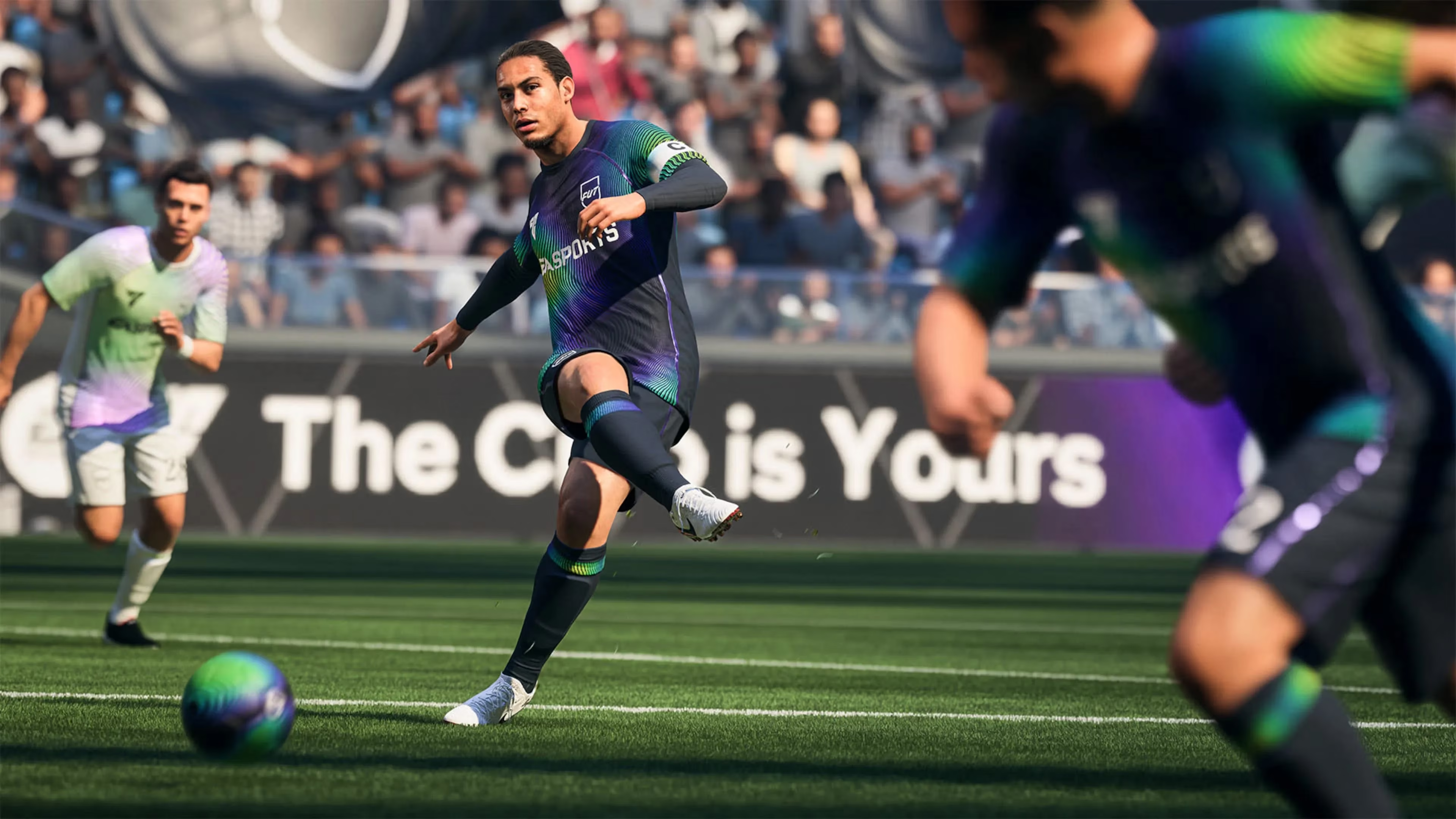
Headlining the gameplay tuning is a meaningful nerf to low driven shots. Previously, hammering a low‑driven effort with extreme power could result in pinpoint accuracy that felt disconnected from player attributes and body positioning. Following closed beta feedback, EA has made these rocket‑like attempts more unpredictable when maximum force is applied, rewarding better shot selection and composure rather than simply loading the power bar. The same philosophy extends to difficult driven ground passes – especially those executed at acute angles or as first‑time 180‑degree flicks – which now carry a greater margin for error. This encourages more deliberate build‑up play and reduces the frequency of physics‑defying outlet balls.
Equally impactful are the revisions to AI player behavior, a recurring theme in community discussions since the earliest testing phases. The update improves the intelligence of both attacking runs and defensive shape, creating a more coherent team dynamic. Wingers are now noticeably more aggressive in penetrating the penalty area, providing consistent cut‑back and far‑post options. At the other end of the pitch, wing backs have been retrained not to drop excessively deep when their team holds possession; instead, they hold a higher line to support the midfield, mirroring modern tactical trends. Offside awareness has also received a boost – AI teammates now read the defensive line more adeptly, reducing the frustration of mistimed runs and wasted through ball opportunities. Further refinements address instances where players failed to exploit open space, with the positioning logic now more proactive in identifying gaps behind defensive blocks.
Particular attention has been given to the behavior of center backs and the newly introduced false back role. Central defenders are now less prone to drifting wide while marking in central areas, a fix that plugs the kind of defensive gap opponents regularly exploited. False backs, meanwhile, transition from attack to defense with greater awareness of their responsibilities, helping to maintain a compact shape rather than leaving the flanks exposed. For managers who prefer a low defensive block, positional adjustments ensure the back line does not push unnecessarily high, reducing vulnerability to direct balls over the top.
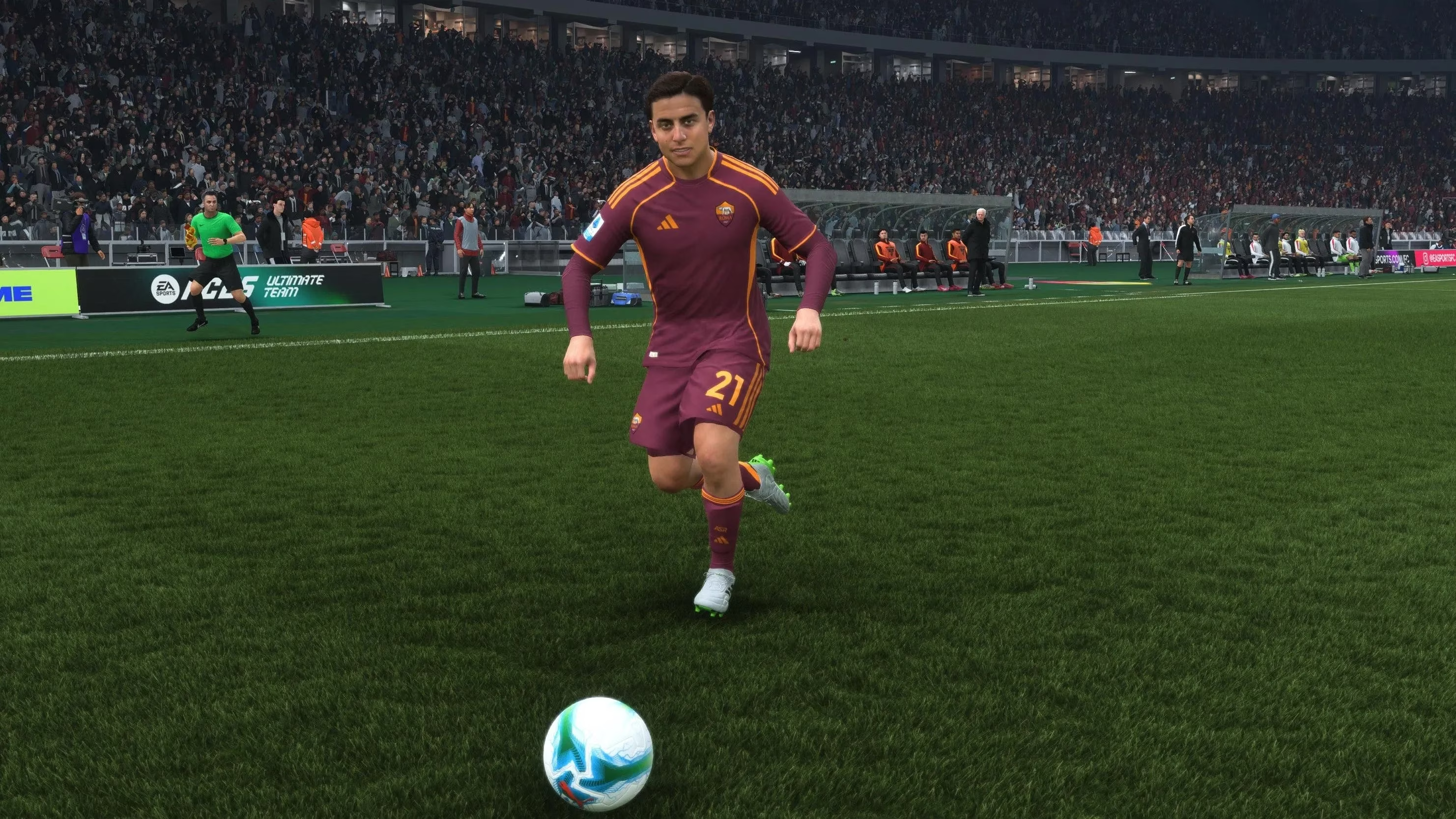
Between the posts, a subtle but valuable quality‑of‑life addition arrives in the form of a goalkeeper dive indicator. The on‑screen element shows the direction of an incoming shot just before the save is triggered, offering players a clearer visual cue without breaking immersion. Elsewhere, camera pan controls have been re‑mapped to avoid button conflicts, a direct response to customization feedback. The update also tackles several physics‑driven frustrations. Heavy first touches when sprinting in wet‑weather conditions have been calmed, ensuring that authentic environmental effects do not veer into unpredictability. Ground passes that occasionally lagged behind the intended receiver – a minor but irritating occurrence – have been addressed, making link‑up play more reliable.
The patch notes further catalog a slate of stability and usability fixes. Multiplayer sessions no longer lock out players after accepting a co‑op invitation, and misaligned player item portraits on the squad screen have been realigned. A crash tied to the post‑onboarding squad view has been eliminated, and several general stability improvements aim to reduce mid‑match freezes. On the PC side, a performance regression linked to altering display settings while in borderless mode has been resolved, and a number of controller input recognition problems have been tackled – though EA confirms ongoing investigation into additional PC‑specific reports.
A lighter, community‑favorite fix relates to manager career simulations, where players would sometimes bizarrely leave the club during simulated periods. While not a gameplay mechanic, this bug sapped immersion for career mode enthusiasts and has been quietly patched out. Collectively, update 1.0.2 underscores EA’s commitment to iterative refinement during the critical post‑launch window, blending core gameplay adjustments with backend fixes. As the title now welcomes a broader player base, these changes set a more polished foundation for the weeks of Ultimate Team, Clubs, and Career Mode action ahead.