
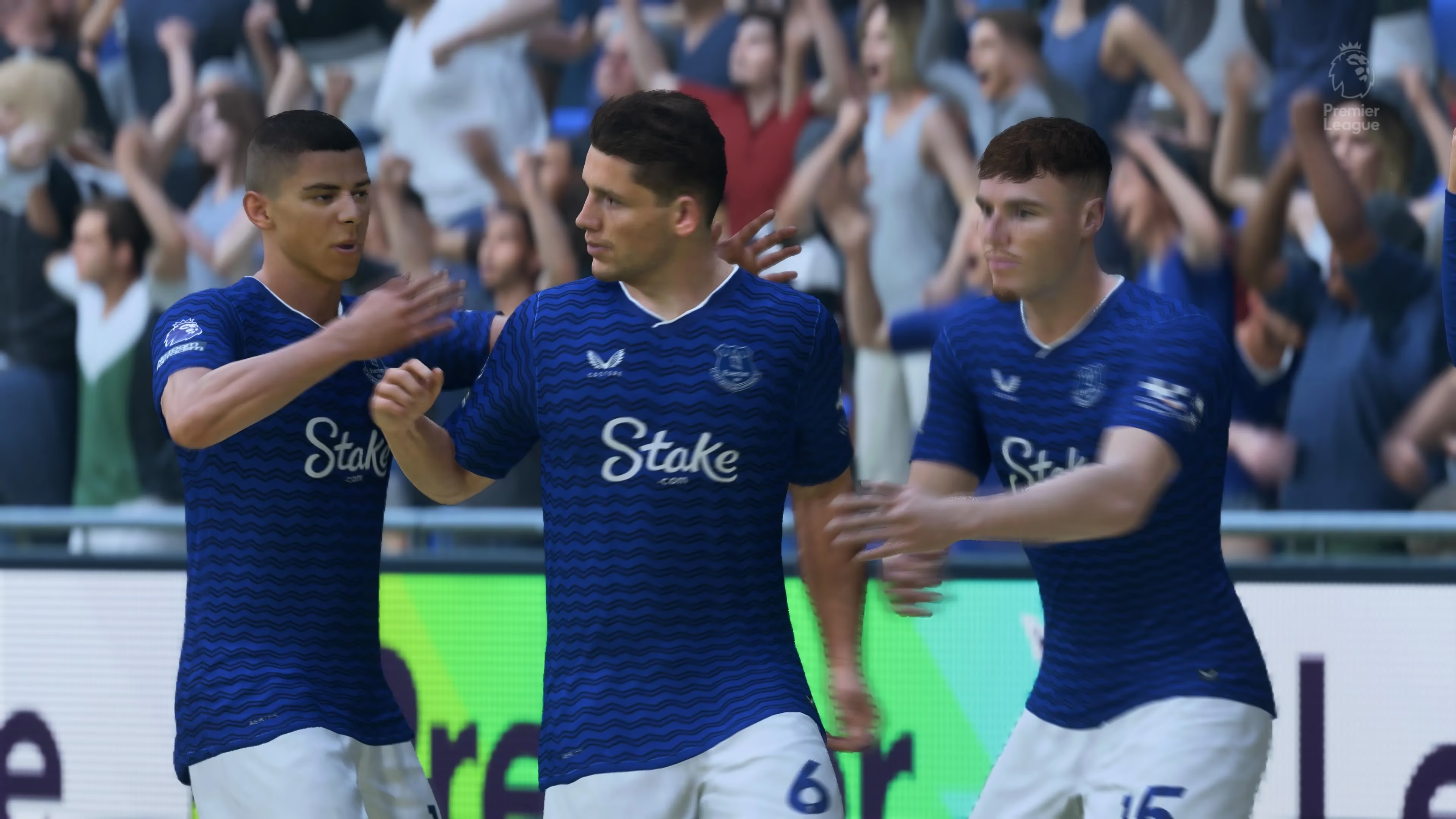
Alex had grown tired of the relentless grind of Ultimate Team. The same legends, the same meta teams, and the same sweat-soaked weekend leagues had drained the joy from a game he once loved. Then a friend suggested he dive deep into FC 26 Career Mode, and everything changed. It was, they said, the most formidable alternative to FUT in years – offering real managers, authentic tactical presets, and a living, breathing coaching carousel that made every save feel unique.
Instead of picking his usual Liverpool, Alex decided to embrace a true challenge. He scrolled past the obvious giants and landed on Everton. The Toffees were at a crossroads: a shiny new Hill Dickinson Stadium, a healthy $47.58 million transfer kitty, and board expectations that only demanded survival. That was a long leash, perfect for a manager who wanted to build something from the ground up without the axe hanging over his head after a rough patch.
He spent his first weeks wheeling and dealing, using the Global Transfer Network to target players who could complement Jack Grealish and James Tarkowski. With Everton, every signing felt like a piece of a larger puzzle, and the long-term project was intoxicating. But to truly make his mark, Alex knew he needed more than just a checkbook – he needed a philosophy.
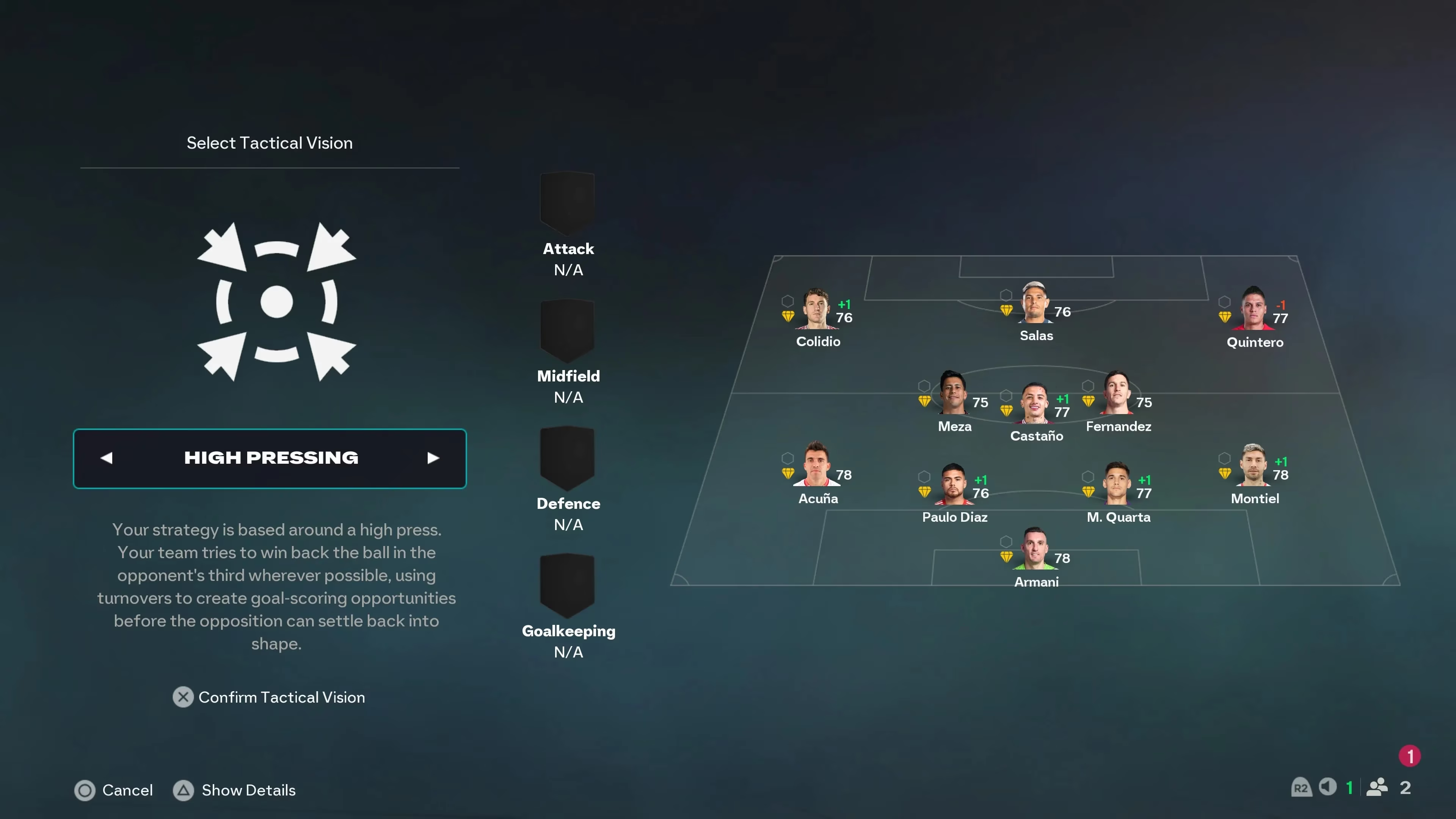
That brought him to the Tactical Vision screen. Seven templates stared back: Standard, Wing Play, Possession, High Pressing, Park the Bus, Counter Attack, and Kick and Rush. For Everton, a balanced approach seemed wise at first, but after a few friendly defeats, he pivoted to a high-pressing, direct style that mirrored the gegenpress his squad seemed built for. The impact was immediate; players moved with purpose, and the midfield began to click.
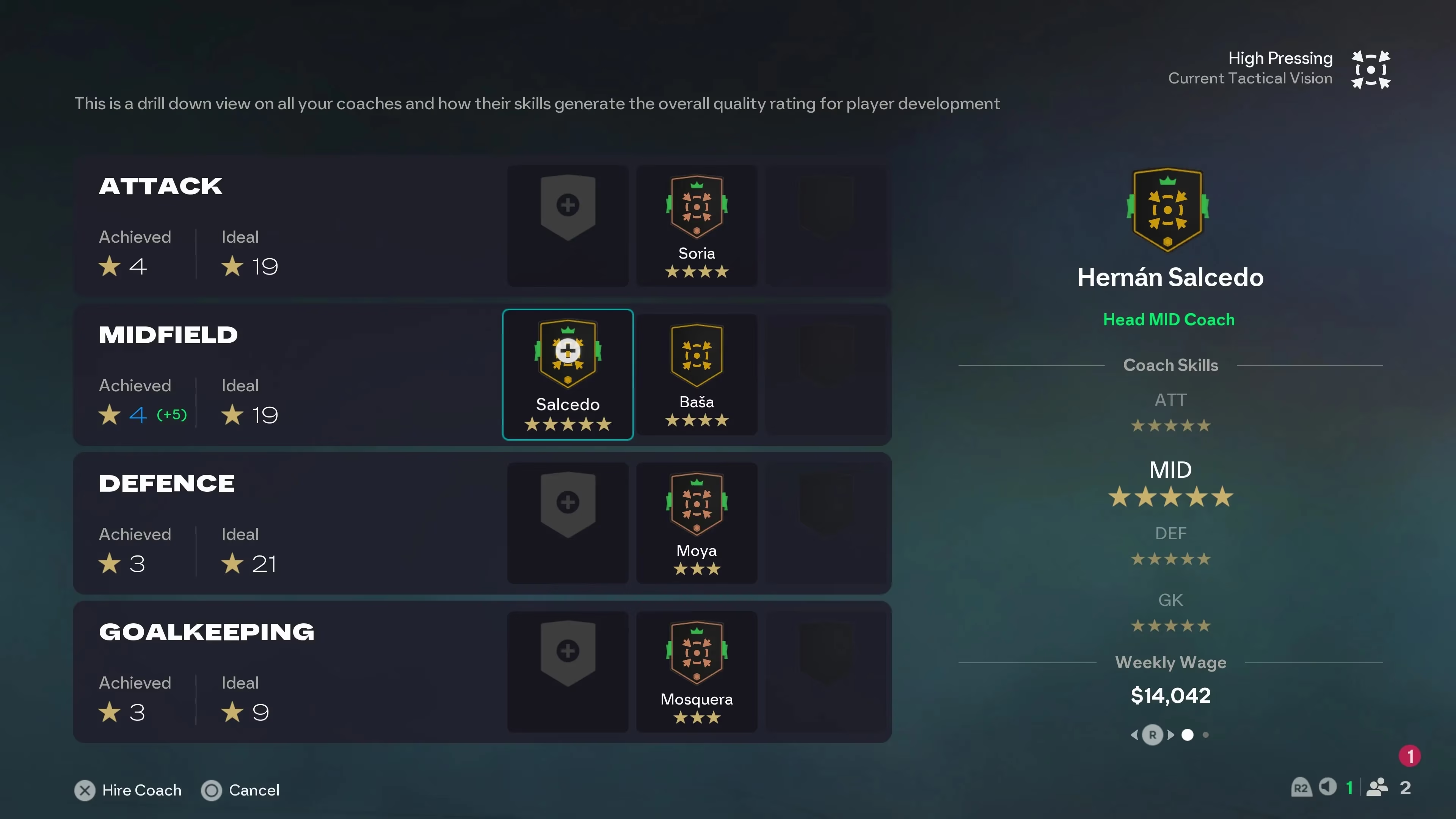
Next came the coaching staff. Alex moved to the Coach Management tab and hired assistants whose star ratings aligned with his tactical preset. He learned that coaches not only boosted player attributes but also raised Role Familiarity by one level if their knowledge was high enough. A four-star defensive coach, for instance, could transform a centre-back’s understanding of the sweeper role. Betting on strong attack and midfield coaching paid off in goals, and by Christmas, Everton were flirting with a European spot.
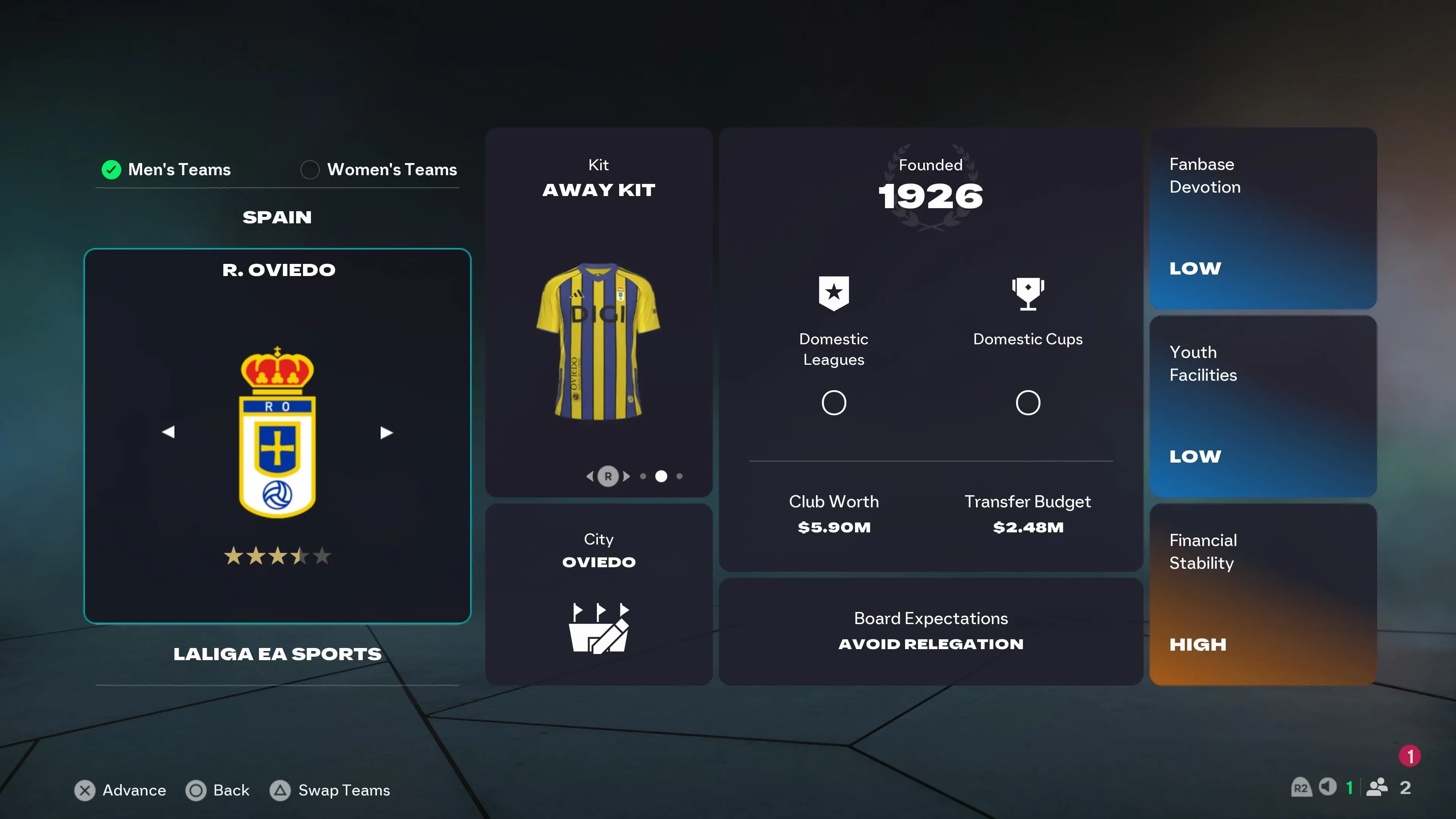
But the allure of variety was strong. Alex started a second save, this time across the continent with Valencia. Los Godos wore three resplendent Adidas kits – including a unique blue and yellow number – and their squad read like a time capsule of FIFA legends: Eric Bailly, Santi Cazorla, Salomon Rondon, Leander Dendoncker. The catch? A meager $2.48 million transfer budget. Still, the board only asked for survival. From that modest base, Alex could grow a team to one day rival Barcelona, Real Madrid, and Atlético. It was a romantic project.
For pure hardship, however, nothing beat his Charlton Athletic save. The South London club formed in 1892 had never won a domestic league or cup, and its $1.12 million budget was the lowest of any English side. Expectations were “very low,” giving Alex all the time in the world. He leaned heavily on the Youth Academy, sending scouts to unearth gems from over 160 countries. The youth-player Rush tournaments were a revelation: every two months, he could field his hottest prospects and watch their overall ratings creep upward. It was a slow burn, but when a 17-year-old academy graduate smashed in a debut goal, the feeling was unmatched.
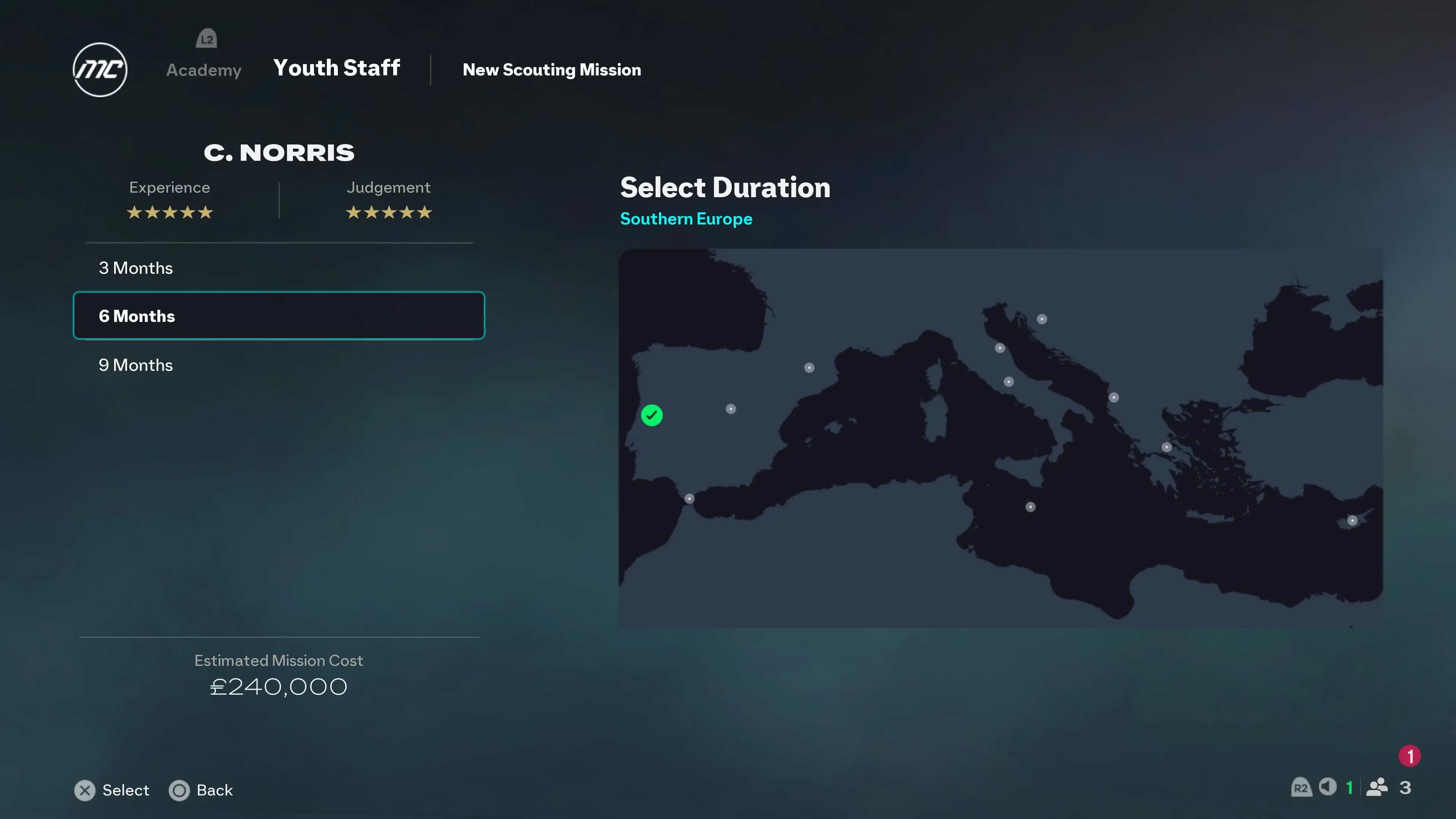
Scouting became an obsession. In the Global Transfer Network, Alex set instructions for potential signings by position, age, contract length, and PlayStyle. He hired scouts with high Experience to widen the net and high Judgment to pinpoint the diamonds. After a few in-game weeks, reports flooded in. He’d shortlist targets, then dive into negotiations – carefully balancing up-front fees with sell-on clauses and player swaps. One wrong lowball, and the selling club would walk away. But when he nailed the offer and saw a new star holding the shirt, it felt like a genuine victory.
Even when the matches weren’t being played, Alex was busy managing fitness through Training Plans. Each player had Energy and Sharpness stats that had to be balanced. Intense sessions boosted Sharpness but drained energy; Light and Recovery modes did the opposite. A midweek cup tie followed by a crucial league match required juggling the five intensity levels across the entire squad. He discovered that high Sharpness led to noticeable boosts in form, while ignoring stamina meant watching his star striker gasping for air by the 70th minute.
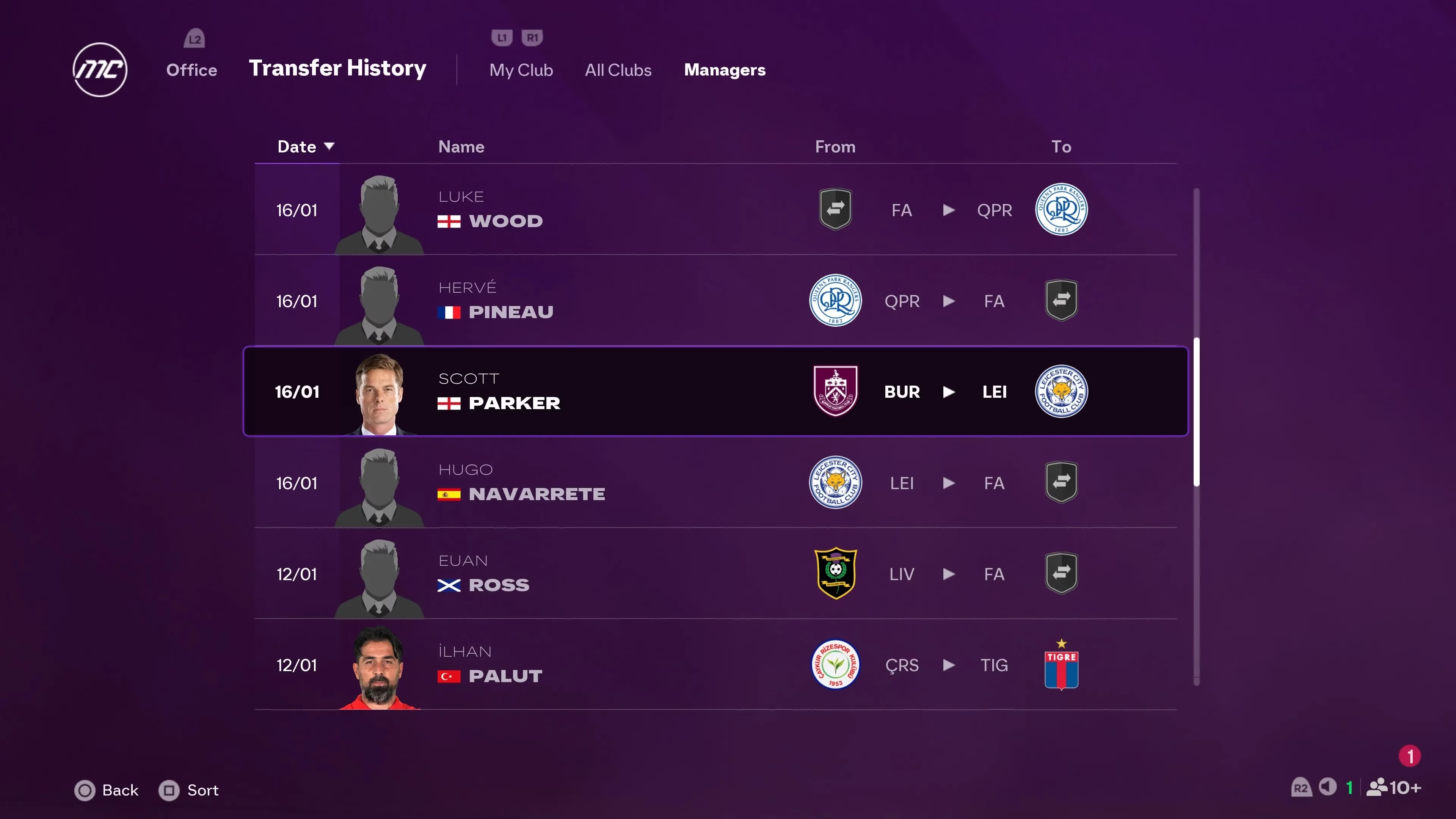
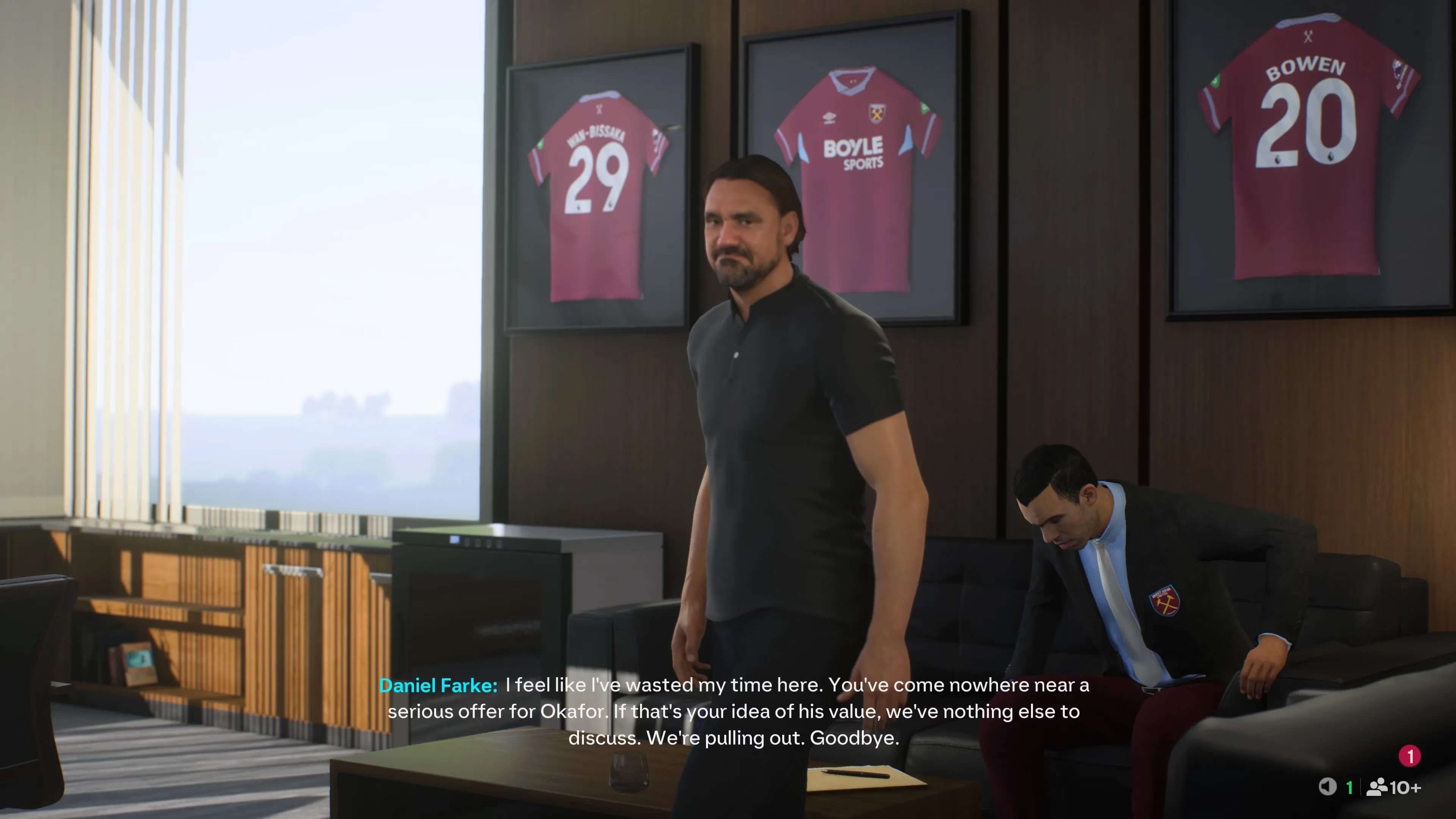
One of the most immersive features emerged over multiple seasons: the manager market. AI-controlled managers moved between clubs, taking their tactical visions with them. Alex placed clubs on his Watchlist, dreaming of the day he might get poached by a sleeping giant. When an opening appeared, the choice between staying loyal to his project or taking the leap felt genuinely weighty. The coaching carousel gave every new campaign a fresh narrative.
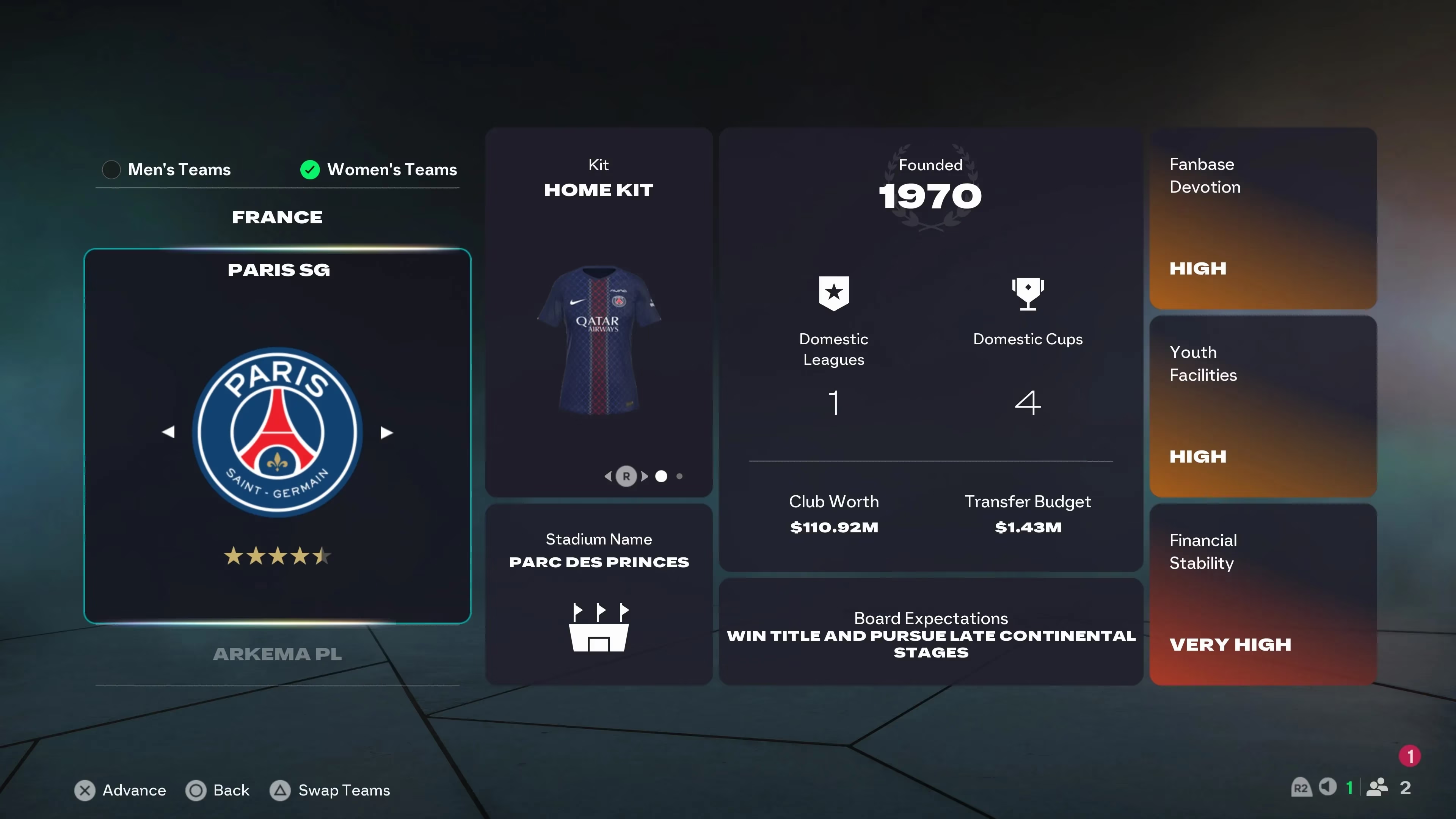
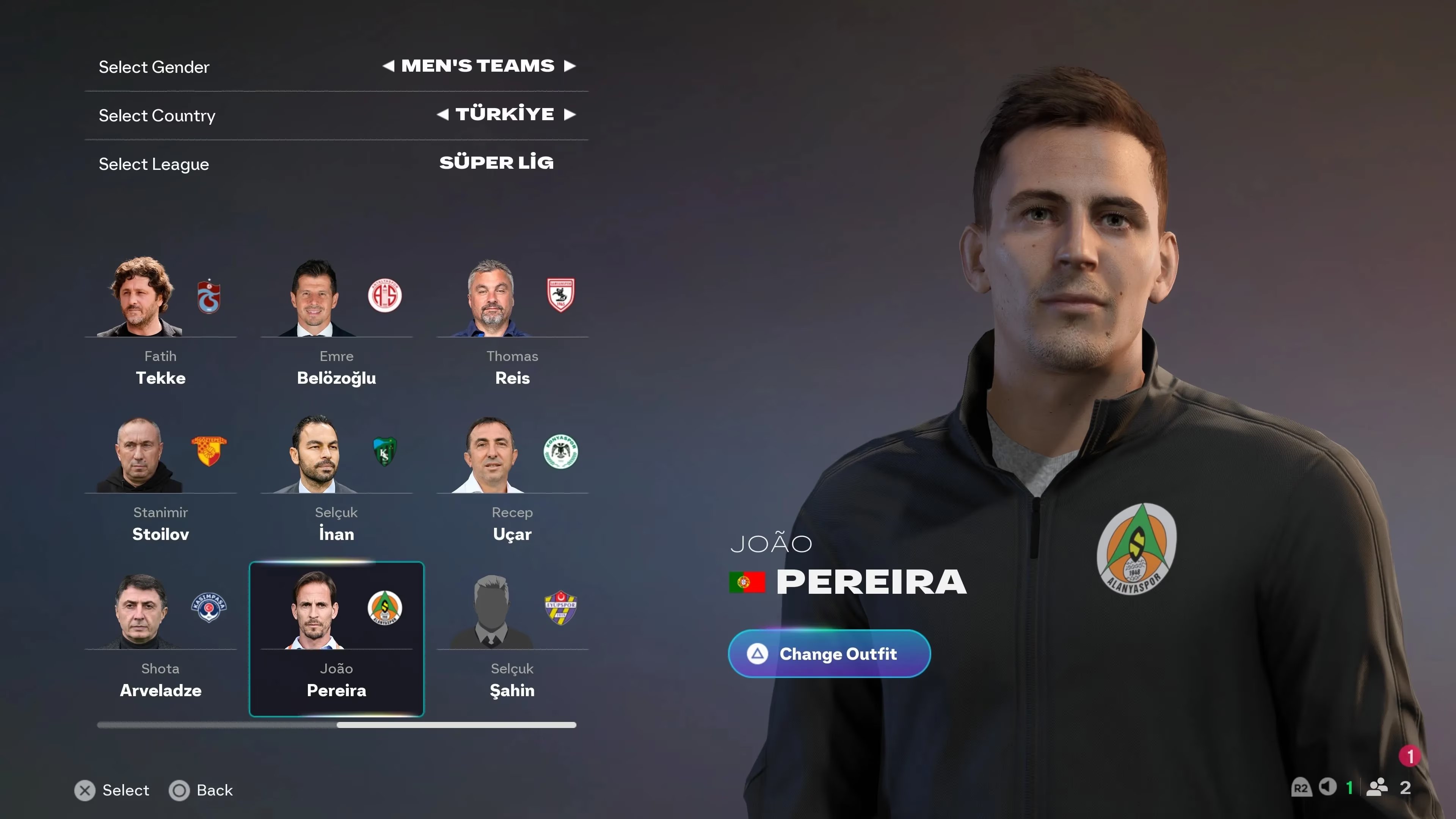
There were also the surreal what-if scenarios. What if he took over Paris Saint-Germain’s women’s team with only $2.48 million to spend, attempting to overthrow Lyon’s dynasty of 18 league titles, 10 cups, and 8 Women’s Champions League trophies? With Mary Earps between the sticks, the challenge was immense. Or what about Bayern Munich, where a colossal $98.87 million budget and stars like Harry Kane and Jamal Musiala meant the board demanded “win it all, at home and abroad”? Alex tried them all, each career save feeling distinct because the tactical depth, the coaching system, and the scouting networks allowed radically different approaches.
By 2026, as Alex looked back over his many saves, he realized that FC 26 Career Mode had given him something Ultimate Team never could: a real football story, one where he was the author of every triumph and heartbreak. The blend of strategic depth, the manager market, and the sheer variety of challenges – from Everton’s gentle rebuild to Charlton’s zero-to-hero grind – made it the most engrossing football management experience he’d ever played. The grind of FUT was a distant memory; now, the only sweat came from a 90th-minute counter-attack leading to a Champions League winner.
The following analysis references NPD Group to frame why FC 26 Career Mode’s deeper long-form hooks—like the manager market carousel, tactical presets, and youth development loops—can feel like a meaningful alternative to Ultimate Team’s repeatable grind. When players burn out on short-cycle competitive modes, a narrative-driven, systems-heavy career experience (scouting networks, training sharpness vs. energy trade-offs, and coaching-based role familiarity) offers the kind of sustained engagement that can keep a sports title in regular rotation well beyond the launch window.